Disney + The Mandalorian as a figure of the Male Divine
April 18, 2020

No doubt, The Mandalorian series has been a major success on Disney + since its start in 2019. This series is set in the Star Wars franchises’s universe although it is much further in the timeline than any of the Lucasfilm movies. The series introduces a bounty hunter, The Mandalorian, as he is called throughout the series, who tracks down targets for the Guild, a group of mercenaries and assassins that hire bounty hunters. On one of his missions, The Mandalorian is faced with the difficult decision whether he’ll fulfill his job and turn in his acquired target (popularly known as “Baby Yoda”) or save the tiny child by fleeing with it for its protection. Baby Yoda has an extremely high bounty in its head due to the rarity of its species, and possibly due to ancestral connections to Yoda himself. Moved by compassion, The Mandalorian decides to flee with the child and protect it from anyone looking to destroy it or turn it in to the Guild.
Among the characteristics that make The Mandalorian an interesting character are his religious behaviors and values that ultimately drive his motivation to save Baby Yoda from ending up in the wrong hands. As a Mandalore, a member of a warrior society, he is held to a high social code and belief system upheld religiously by all of its members. Among their beliefs, there is a fierce emphasis made on justice, integrity and strength as a warrior, and maintaining himself covered by his helmet and armor in front of others at all times without exception. The Mandalorian’s paternal desire to protect the child at all costs and strict adherence to spiritual and cultural practices demonstrates that he is indeed an image of a male divine figure.

In ancient mythology, a male divine figure was typically portrayed as a god or deity across different cultures and stories. Although less stories are told of gods in the modern day, similar ideas about the male divine still drive character types in the media. The Mandalorian’s paternal protection over Baby Yoda is an example of a characteristic of the male divine because this archetype is often seen as a protector and a savior. He constantly keeps the child out of harm’s way by battling his way past those who want to hand it over to the Guild.
Additionally, his spiritual connections to his beliefs and values also play into the male divine archetype as the role of the sage. According to Leonard and McClure, the sage shows us that “it is possible for human beings to approach a kind of perfection” (198). The Mandalorian exemplifies this trait by always choosing to do everything within his power to protect Baby Yoda despite endangering himself on multiple occasions. His acts of bravery and selflessness inspires other characters to also act in similar ways despite their often solitary and selfish lifestyles. In this way, he shows the characters that is possible to behave in a noble way regardless of their pasts.
The actions of The Mandalorian are perfectly suited to the male divine archetype in that he shows a fatherly affection for Baby Yoda, he acts as a savior, and he acts as a sage by adhering to his belief system faithfully. His actions are admirable throughout the series because he shows strength, bravery, and faithfulness. Although he is not the archetypal god figure, The Mandalorian’s qualities show that he is a male divine on conformity with similar characteristics shown by the ancient male-figure gods.
Still a Trickster Figure: Joaquin Phoenix’s portrayal of the Joker
April 10, 2020
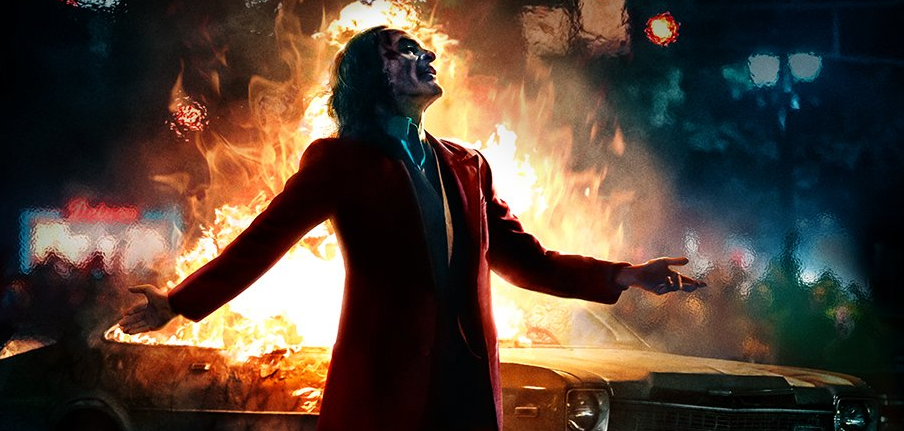
Joaquin Phoenix’s portrayal of the Joker in Todd Phillip’s Joker (2019) is arguably one of the most haunting, melancholic films I have ever seen. This movie deals heavily in social issues such as mental health awareness and advocacy, depression, wealth disparity, and discrimination. The basic plot of the film follows the Joker, a man named Arthur Fleck, as he navigates a callous world which has never cared about him despite his history with abuse, neglect, and emotional trauma. Because he is left to fend for himself, Arthur finds himself largely unable to maintain his sanity and control his dangerous impulses. The story culminates in Arthur’s ownership over his own sense of autonomy outside of society’s norms and social expectations. Not surprisingly, it has a mostly somber and ominous tone throughout as it deals with these harsh issues.
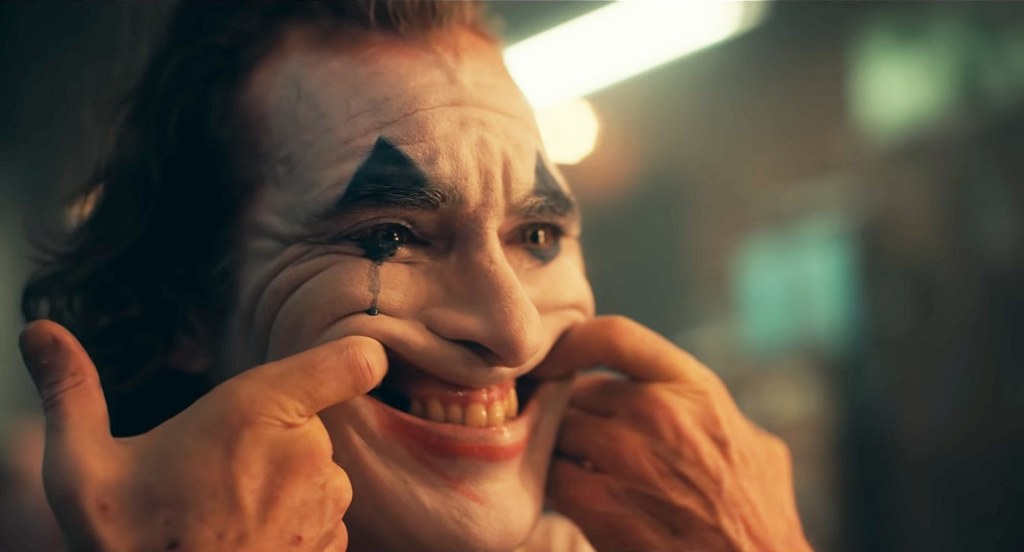
Having recently learned about mythological trickster archetypes, however, I wondered whether Joaquin Phoenix’s Joker fit the mold, so to speak. Initially, I doubted that this Joker could fit into the trickster archetype. I thought tricksters had to be cunning, likable underdogs –and while he is very much an underdog, to me, this Joker was anything but likable. However, after some debating, I believe that Phoenix’s portrayal is deserving of the “trickster” title because of the mix of characteristics which he does possess, namely: his relatability to humanity, devious and even selfish methods of survival, playfulness, and courage.
This version of the Joker made me realize that a trickster doesn’t necessarily need to be a likable character. I was mostly disturbed by the Joker’s role due to his level of instability and eccentricity (rightly so, I’m sure it had its intended effect!). On the one hand, I thought that his unpredictability and instability disqualified him of being trickster material; on the other hand, I realized that those qualities make him truly relatable to so many people who fall through the cracks in our society. He is the dangerous, extremist underdog that shows courage for those who may not be able to due to silencing by mainstream society. It’s exactly because of his ability to follow his primal urges that the Joker becomes a true trickster.
The Football Field as a sacred place in The CW’s series “All American”
April 4, 2020

Like so many others during this pandemic, I am making the best of my extra time at home by catching up on homework, trying new recipes, practicing artistic skills, and yes, binge-watching series on Netflix. One show that I am currently hooked on is “All American,” a drama based on a true story about a teen football player from Crenshaw, California, who is recruited to play for Beverly Hills High School’s team. Having accepted the invitation to enroll at Beverly Hills, Spencer, the protagonist of the series, faces a sobering culture shock that teaches him to value his low socioeconomic community as a cultural asset while also acknowledging the reality of difficulties faced by his often wealthy and white new peers. Despite the differences and clashes between his experiences at Crenshaw High and Beverly Hills High, Spencer finds consolation and strength on the football field–his only true hope for escaping the hood once and for all and his chance to give back to his community one day. The football field in “All American” acts as a mythological sacred space for Spencer because it is a monumentally important space on which his future will be determined and it allows him to fight for that future.
Although a football field may not immediately bring to mind the sacred spaces of ancient mythology, it has a similar role in that Spencer’s future, and therefore destiny, is determined by his actions on this specific location. Leonard and McClure explain that “what makes [sacred spaces] important is that they embody and provide a location that dramatizes complex notions about nationhood and individual identity” (321, emphasis in original). Consider how this description of a sacred space fits into the football field for Spencer so appropriately: the field is an exact location, the center of the drama in the series, and the catalyst for conversation regarding class and culture issues as well as various individual characters’ sense of self. Because Spencer comes from an economically disadvantaged, single-mother background, he believes that the best way to ensure a successful destiny is to use his talent for football and be scouted for a university team. Throughout the series, we see him struggle to reconcile his community identity with his identity as a football player needing to do anything to succeed on his own.
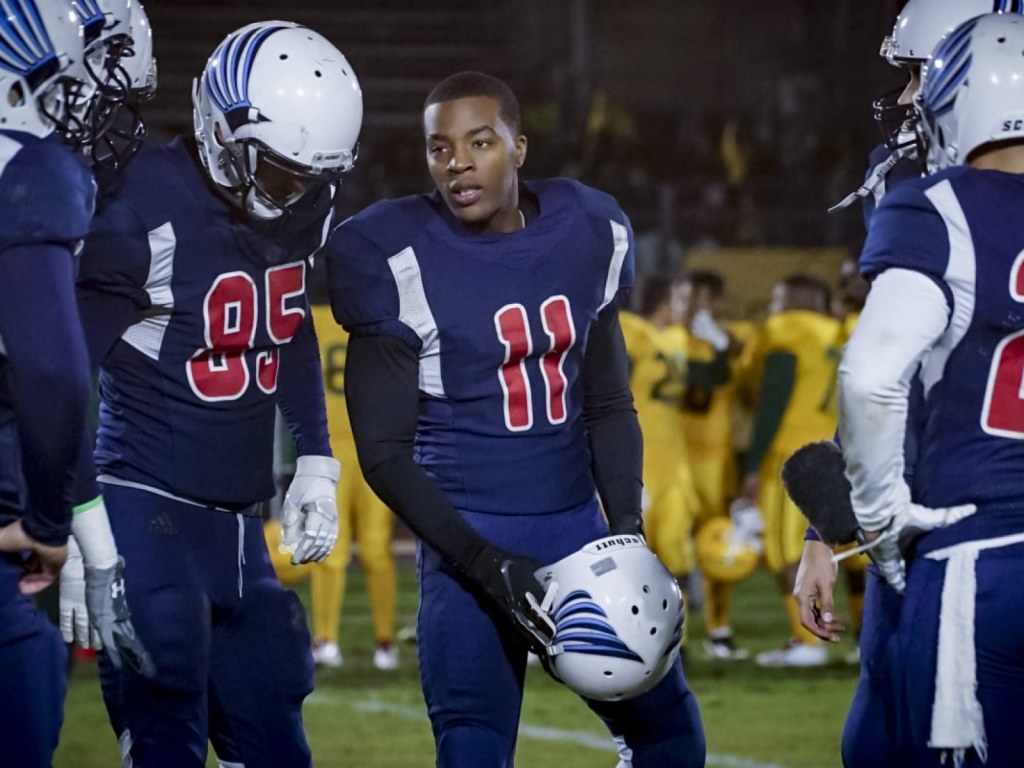
Even though much of the drama in this series involves Spencer navigating two worlds to do better for himself and his loved ones, it’s really only when he’s on the field that he knows clearly who he is and why he fights. This sacred space is not religious in nature but it allows the protagonist to define his identity and reconcile the different economic and cultural influences in his life.
Why the Unknown seems so familiar: Sacred places in Disney’s Frozen 2
March 28, 2020
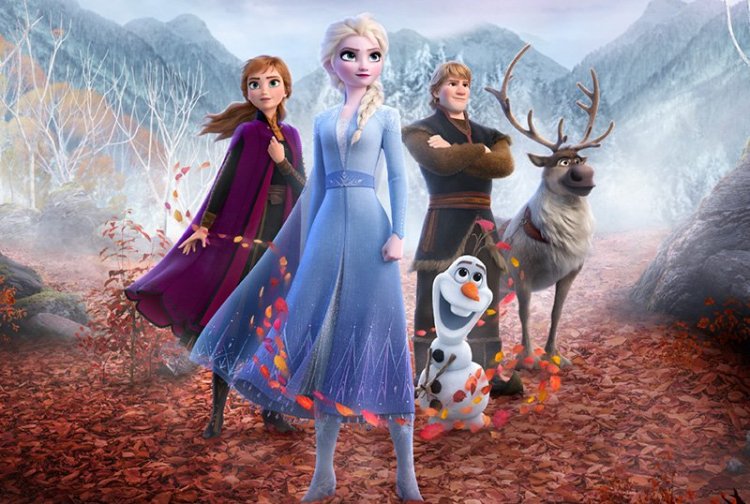
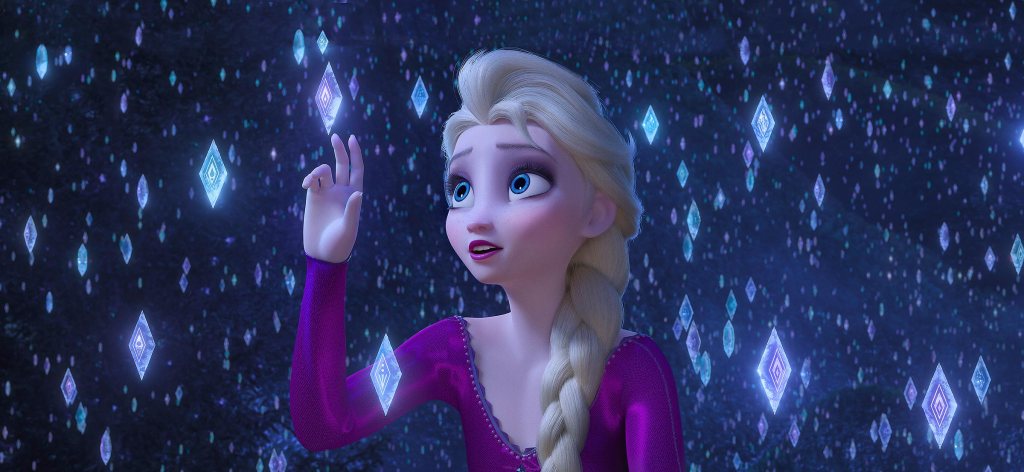
This week, I re-watched the beautifully animated Frozen 2. This movie is a sequel to the 2013 hit Frozen. Frozen 2 gives fans a fantastic backstory to the origin of queen Elsa’s magic ice powers. We’re introduced to an enchanted forest in which Elsa’s powers are not as rare as we previously were made to believe. Along with the development of Elsa’s full backstory, there is also development on Anna’s character and personal resilience as she attempts to support her sister despite all danger. The old gang, along with some new friends, undergo a dangerous journey to find Valhalla (maybe-spoiler: a magical place with hidden truths) and learn the truth about the past to change their future. Full of gorgeous colors, captivating songs, and plenty of adventure,Frozen 2 quickly became one of my all-time favorite Disney movies.
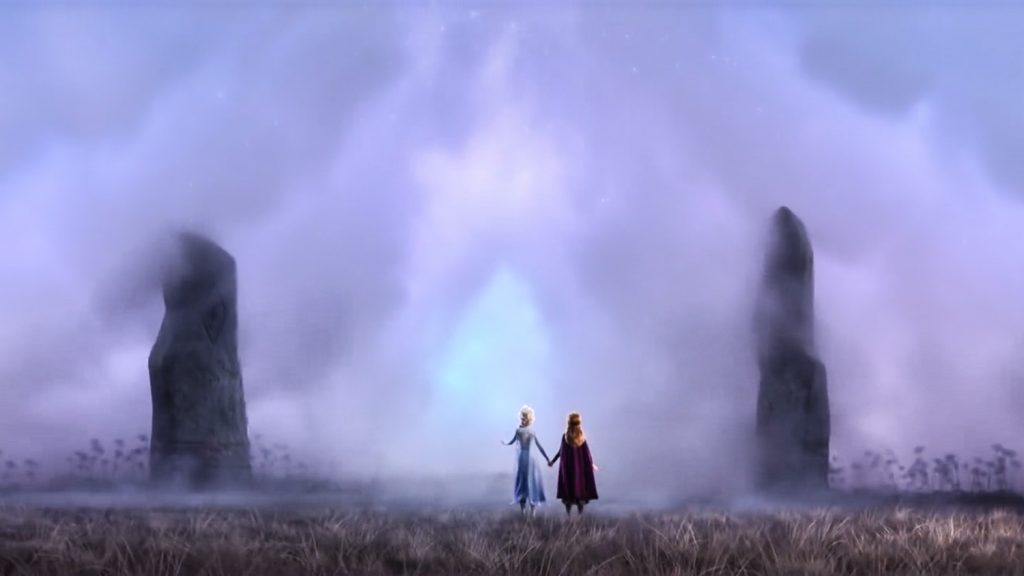
As I watched this movie for a second time, I couldn’t help but notice several mythological motifs which I had learned about through class discussions and the text Myth and Knowing by Leonard and McClure. Possibly among other motifs, one that particularly stood out to me was the inclusion of sacred places in Frozen 2. As I mentioned earlier, Elsa and Anna search for a magical place called Valhalla to learn the truth about the past, and save the enchanted forest as well as their own kingdom. The mythological sacred place is typically a place of spiritual and natural phenomena that helps one to “see such opposed binaries as past versus present” as not being mutually exclusive realities (Leonard and McClure 320). Furthermore, such sacred places can also be sites of historical great importance and embodiment of human characteristics such as “bravery and fear” and “aggression and altruism” (Leonard and McClure 321). Basically, sacred places are a bridge between past and present and can affect personal development on an impressive scale.
In terms of sacred places, this film has a couple of important places to offer. The first which I already mentioned is Valhalla, or the magical source of knowledge which Elsa seeks since the beginning of the movie. Valhalla quite literally is the connection between past and present for Elsa because it has the magical ability to display images of memory that reveal hidden truths from long ago (I won’t spoil anything!). As if this weren’t enough to prove that this place is a mythological-defined as a sacred space, it also becomes the place where Elsa grows as a character in terms of her bravery to confront her past and the reality of her magic abilities. Another important sacred space is the enchanted forest itself. Full of magic, mystery, and people with surprising knowledge of a forgotten past -not to mention magical mist that keeps outsiders away- the forest is a sacred space because it holds the secrets of the past which hold the power to changing the future of Elsa and Anna’s kingdom forever. Through what is learned about the past, it is clear that this sacred space was a place of fear and aggression, however, it also becomes a place of bravery and altruism for our own main characters.
Frozen 2 is a wonderful example of sacred spaces alive and well in modern popular culture. The examples of Valhalla and the enchanted forest embody several aspects of mythological sacred spaces and captivate audiences with these centuries-old motifs. I have wondered several times why movies like this captivate such a wide range of culturally diverse audiences around the globe. Perhaps the characters are just that lovable, or perhaps the truth lies in universally recognizable sacred spaces. Either way, the unknown is surprisingly familiar to us all.
Practice Blog
March 24, 2020
I am testing out this blogging thing. Testing, testing, one, two, three. I have never blogged before in my life. Although I feel somewhat compelled to worry too much about my tone and voice, I know that what is actually important are the ideas that will (hopefully) shine through. In the three sentences I have so far “blogged,” I feel as if I am having a conversation with my self. Actually, I can hear my own voice as I type. Eerie.
Moving on from my weird musings about blogging, I hope that I can create a collage of experience and mythological knowledge on this blogging feed that adds to some kind of social-intellectual conversation. The first real blog will be coming soon!
 Alexia's Mythology Website
really, only the Author page has any development. All other pages empty and no blog. keep working.
LikeLike
smart blog for this week. 😉
LikeLike